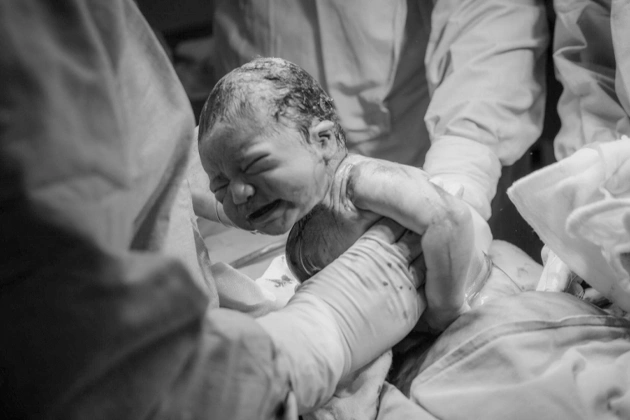
If you’re caring for a newborn in Indianapolis, knowing the signs of birth injuries can make all the difference. You might notice unusual swelling, trouble feeding, or delays in development—each could signal a serious issue needing prompt attention. Beyond health concerns, understanding your legal options can protect your family if medical negligence played a role. But how do you recognize these signs early enough, and what steps should you take next?
Common Physical Indicators of Birth Injuries
Although birth injuries can vary widely in severity, there are several common physical signs you can watch for in your newborn that might indicate a problem. Keep an eye out for physical abnormalities such as unusual swelling, bruising, or asymmetry in the head, face, or limbs. If your baby’s movements seem limited or uneven, this might also signal an injury. Additionally, infant reflexes are important indicators; delayed or absent reflexes like the Moro or grasp reflex could suggest underlying issues. Trust your instincts—if something feels off, don’t hesitate to seek medical advice or consult a legal representative for birth injury to understand your rights and options. Early detection is essential for effective treatment, and understanding these signs can empower you to protect your baby’s health and well-being.
Neurological Signs to Watch For in Newborns
When you’re caring for a newborn, paying attention to neurological signs is just as important as watching for physical injuries. Early detection of issues can make a significant difference in your baby’s development. You should closely monitor if your infant is meeting neurodevelopmental milestones like responding to sounds, tracking objects, or controlling head movements. Infant neurological assessments by healthcare professionals are essential—they evaluate muscle tone, reflexes, and alertness to identify potential concerns. If you notice persistent lethargy, poor feeding, seizures, or unusual irritability, don’t hesitate to seek medical advice. Understanding these signs not only helps protect your baby’s health but also strengthens your ability to advocate for prompt, specialized care. Recognizing problems early gives your child the best chance for effective treatment and recovery.
Respiratory Challenges Linked to Birth Trauma
Because birth trauma can directly impact an infant’s delicate respiratory system, it’s vital for you to recognize signs of breathing difficulties early. Symptoms like rapid breathing, grunting, nasal flaring, or bluish skin can signal serious respiratory challenges. Prompt respiratory assessments by medical professionals are essential to identify the extent of injury and guide effective care. Understanding the available treatment options, from oxygen therapy to mechanical ventilation, empowers you to advocate for your newborn’s health. If you notice persistent breathing problems or delayed recovery, don’t hesitate to seek a second opinion. Early intervention can greatly improve outcomes, and knowing your rights helps guarantee the best care. Remember, acting swiftly can make all the difference in protecting your child’s future.
Developmental Delays and Their Connection to Birth Injuries
Breathing issues in newborns can sometimes signal deeper concerns that extend beyond immediate respiratory care. If your child experienced a birth injury, you might notice delays in reaching developmental milestones like sitting, walking, or speaking. These delays can hint at underlying neurological damage caused during birth. Recognizing these signs early is essential because early intervention can greatly improve outcomes for your child. You should watch for:
- Trouble with motor skills or muscle control
- Difficulty with speech or language development
- Persistent feeding problems
- Lack of social engagement or eye contact
- Delayed cognitive responses
Understanding these signs empowers you to seek timely medical support and explore your legal options to guarantee your child gets the care they deserve. Don’t hesitate to act if you suspect a connection to birth trauma.
When to Seek Immediate Medical Attention
If your newborn shows signs like difficulty breathing, unresponsiveness, or severe bleeding, you need to act fast and get medical help right away. These symptoms could signal serious distress that requires immediate attention to prevent long-term harm. Trust your instincts—when in doubt, seeking prompt care can make all the difference.
Recognizing Severe Symptoms
How can you tell when a newborn’s symptoms require urgent medical care? Recognizing severe birth injury symptoms early is essential for effective newborn assessment and timely intervention. You need to watch closely for signs that suggest immediate attention is necessary. These include:
- Difficulty breathing or persistent grunting
- Uncontrolled seizures or jerking movements
- Pale, bluish, or yellowish skin discoloration
- Excessive bleeding or swelling on the head
- Absence of normal reflexes or extreme lethargy
If you notice any of these symptoms, don’t hesitate to seek emergency medical help. Prompt recognition and action can make a significant difference in your baby’s health and recovery. Trust your instincts—early intervention could save your newborn’s life.
Urgency of Medical Response
Noticing severe symptoms in your newborn is only the first step—you need to act quickly when these signs appear. Birth injuries can worsen rapidly without urgent intervention, so seeking immediate medical attention is essential. Prompt diagnosis allows healthcare professionals to begin treatment early, potentially minimizing long-term complications. Don’t wait or hope symptoms will fade; time is of the essence when it comes to your baby’s health. If you observe anything unusual or alarming, contact emergency services or head to the nearest hospital right away. Acting swiftly not only protects your child’s well-being but also strengthens your position if you later pursue legal options. Remember, early medical response can make all the difference in outcomes for birth injury cases.
Indicators of Distress
When should you be alarmed about your newborn’s condition? Recognizing stress signals early on is essential for your baby’s health. Parental awareness can make a significant difference in seeking timely medical care and preventing further complications. If you notice any of the following indicators of distress, don’t hesitate to act immediately:
- Persistent difficulty breathing or rapid breathing
- Unusual lethargy or difficulty waking your baby
- Bluish or pale skin, especially around lips and fingertips
- Excessive, high-pitched crying or inconsolable irritability
- Poor feeding or refusal to suckle
Trust your instincts—if something feels wrong, seek medical attention without delay. Early intervention can protect your newborn and guide you toward the best legal options if birth injuries occur.
Understanding the Role of Medical Negligence
Although birth injuries can occur unexpectedly, understanding the role of medical negligence is essential if you suspect that substandard care contributed to your child’s harm. Medical malpractice happens when healthcare professionals fail to meet accepted healthcare standards, resulting in preventable injuries. You need to know that not every injury means negligence, but if your child’s injury stems from mistakes like misdiagnosis, delayed treatment, or improper use of medical tools, it could signal malpractice. Recognizing this is vital because it affects your legal options and the compensation you might pursue. You deserve clarity and justice, especially when your family is facing such challenges. Consulting with a skilled attorney can help you navigate these complexities and protect your child’s future.
Types of Birth Injury Lawsuits in Indianapolis
Understanding medical negligence sets the foundation for recognizing the different types of birth injury lawsuits you might encounter in Indianapolis. If your child suffered harm due to medical errors, you could pursue negligence claims to seek justice. Knowing your compensation options is essential to support your family’s future.
Common types of birth injury lawsuits include:
- Cerebral palsy caused by oxygen deprivation
- Erb’s palsy from nerve damage during delivery
- Fractured bones due to improper handling
- Brain injuries linked to delayed C-sections
- Infections contracted from unsanitary conditions
Each case involves proving that a healthcare provider’s negligence directly caused the injury. By understanding these lawsuit types, you’re better equipped to pursue fair compensation and hold responsible parties accountable. Don’t hesitate to explore your legal rights and secure your child’s wellbeing.
How to Document and Report Birth Injuries
If you suspect your child has suffered a birth injury, documenting every detail promptly can make a significant difference in your case. Start by carefully noting symptoms, medical visits, and any communication with healthcare providers. Photograph visible injuries and keep copies of all medical records and bills. This process of documenting evidence guarantees you have a clear, organized timeline to support your claim. Additionally, familiarize yourself with the proper reporting procedures at the hospital or birth center, including whom to notify and how to file formal complaints. Timely and accurate reporting can trigger necessary investigations and help protect your child’s rights. Taking these steps not only strengthens your case but also empowers you to seek the justice and compensation your family deserves.
Statute of Limitations for Birth Injury Claims in Indiana
When pursuing a birth injury claim in Indiana, you need to act quickly because the state sets strict deadlines known as statutes of limitations. These deadlines guarantee your case moves through the legal system efficiently but can be unforgiving if missed. Understanding birth injury timelines is vital to protect your rights and start legal procedures promptly.
Keep in mind:
- You generally have two years from the injury discovery date to file a claim.
- For minors, the statute may extend until their 18th birthday.
- Delays in diagnosis can affect the timeline.
- Medical malpractice laws influence claim deadlines.
- Missing the deadline often means losing your right to sue.
Acting swiftly helps you secure justice and compensation for your child’s care and future needs.
Finding the Right Birth Injury Attorney in Indianapolis
How do you choose the right birth injury attorney in Indianapolis to trust with your case? Start by examining attorney qualifications closely. You want someone experienced in birth injury law who understands the complexities involved and has a proven track record. Don’t hesitate to ask about their past cases and success rates. Client testimonials can offer valuable insight into how the attorney treats clients and handles cases. Look for consistent positive feedback highlighting communication, compassion, and results. Remember, this is a sensitive time, so you need an attorney who’s not only skilled but also empathetic. Taking these steps will help you find a dedicated advocate who’ll fight for your family’s rights and secure the compensation you deserve.
Frequently Asked Questions
Can Birth Injuries Affect Breastfeeding Success?
Yes, birth injuries can cause breastfeeding difficulties, making it harder for you and your baby to bond. With proper support and injury recovery, you can overcome these challenges and successfully nourish your little one.
Are Birth Injuries Covered by Health Insurance?
Yes, birth injury coverage often falls under health insurance policies, but it varies. You’ll want to review your plan carefully and consult your insurer to understand what’s covered and guarantee you get the care you and your baby need.
What Are the Long-Term Emotional Impacts on Families?
You’ll face long-term emotional impacts like anxiety and grief that strain family dynamics. Seeking emotional support is essential to heal together, maintain bonds, and navigate challenges, ensuring your family stays strong through difficult times.
How Do Birth Injuries Impact Sibling Relationships?
Birth injuries can shift sibling dynamics, making you notice changes in attention and roles. You’ll want to foster open communication and emotional support to help siblings cope, ensuring they feel valued and connected despite challenges.
Can Alternative Therapies Help With Birth Injury Recovery?
Yes, alternative therapies like physical therapy and holistic approaches can greatly aid your recovery from birth injuries. They improve mobility, reduce pain, and promote overall well-being, giving you a better chance at a fulfilling, active life.