In Houston’s warm and humid climate, your attic can collect dust, moisture, and pests faster than you might expect. These issues affect your home’s comfort, air quality, and even your energy costs. You should schedule a professional attic cleaning about once every year to keep your home safe, efficient, and healthy.
Regular attic cleaning helps you prevent mold, pest damage, and insulation problems before they lead to expensive repairs. A yearly schedule also gives professionals a chance to check for hidden damage that could impact your HVAC system and indoor air.
By understanding how often to clean your attic and what signs to watch for, you can maintain a cleaner, healthier home. The following sections explain why attic cleaning matters in Houston, how experts handle the process, and what benefits you gain from staying consistent with maintenance.
Frequency and Importance of Attic Cleaning in Houston
Regular attic cleaning helps maintain safe air, control moisture, and support energy efficiency in Houston’s humid climate. Many homeowners overlook the attic, but keeping it clean protects insulation, prevents mold, and stops pests from spreading to other areas of the home.
Recommended Attic Cleaning Schedule for Houston Homeowners
Experts recommend that homeowners schedule attic cleaning at least once every 12 to 18 months. Houston’s heat and humidity speed up the buildup of dust, mold spores, and insect debris. Annual cleaning allows early detection of leaks or pest activity before these problems become expensive repairs.
If your home has older insulation, frequent pest problems, or past water damage, aim for yearly service. Newer homes or those with sealed attics may stretch the timeline closer to every two years. Seasonal checks after heavy rain or hurricanes also help spot early moisture problems.
Hiring professionals who offer high-quality attic cleaning in Houston gives you a thorough inspection that includes sanitizing surfaces, vacuuming loose debris, and checking insulation performance. This keeps your home cleaner and reduces strain on your HVAC system.
Key Factors That Influence Cleaning Frequency
Several conditions in Houston homes affect how often you need attic cleaning. Humidity levels are the most common reason for frequent maintenance. Moist air encourages mildew on wood and insulation, which can lower air quality inside your living spaces.
Pest activity also influences cleaning needs. Rodents, raccoons, and insects often hide in cluttered attics. Regular cleaning removes nesting materials and droppings that carry bacteria and unpleasant odors. Older insulation made of organic fibers can worsen problems since it attracts moisture and pests.
Another factor is ventilation. Poor airflow traps heat and moisture, increasing dust and mold. Inspect vents for blockages or broken fans during each cleaning visit. Attics with installed HVAC units may need more frequent service to control dust and allergen buildup that spreads through ductwork.
Risks of Neglecting Attic Maintenance
Ignoring attic maintenance can cause hidden damage that spreads throughout your home. Moisture trapped in insulation can rot wooden beams, weaken ceilings, and lead to visible stains. Mold growth affects air quality and may increase allergy symptoms among family members.
Dust buildup can clog vents, forcing your air conditioner to work harder and drive up energy bills. Rodent droppings or dead insects also release allergens and bacteria that circulate through ducts. Small leaks in roofing materials quickly worsen if unnoticed, allowing water entry that damages insulation and drywall below.
A clean attic also supports fire safety. Old wiring and dry debris can create fire hazards if left unchecked. Routine attic cleaning helps identify issues before they threaten structural safety and keeps your home more comfortable year-round.
Professional Attic Cleaning: Process and Benefits
Professional attic cleaning protects your home from pest damage, air leaks, and poor insulation. It also improves your HVAC performance, prevents mold, and keeps indoor air clean for your family.
Inspection and Identifying Problems
A professional attic inspection starts the cleaning process. Technicians check for signs of pests, leaks, mold, mildew, or damaged insulation. They also test temperature differences and look for gaps that cause air loss. This assessment helps locate areas that waste energy or may pose health risks.
Inspectors often use flashlights, cameras, and moisture detectors to record the attic’s condition. They check air ducts for dust and debris, which can limit airflow. A detailed inspection report helps decide if you need insulation removal, pest control, or mold treatment. By identifying problems early, you reduce damage and future repair costs.
Keeping this inspection on record also helps track attic maintenance needs over time. It shows whether previous treatments or air sealing work held up and reveals new concerns before they spread.
Removal of Debris, Pests, and Contaminated Insulation
After inspection, technicians remove clutter, nesting materials, and contaminated insulation. Dust, droppings, and old bat insulation can trap odors, allergens, and bacteria. Removing this waste helps keep your attic safe and sanitary.
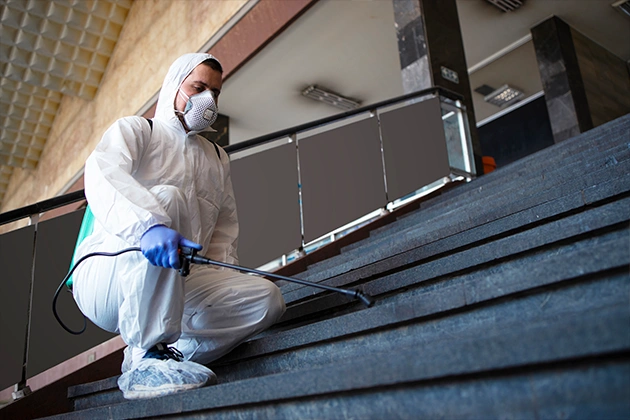
Workers wear protective gear and use vacuums fitted with filters to prevent particles from spreading through your home. If rodents or insects infested the area, pest control methods follow before the cleaning continues. Mold or mildew spots may require specialized cleaning and drying methods to prevent regrowth.
Replacement materials, such as blown-in insulation or fiberglass batts, only go in after the space is disinfected and clear. This process supports both safety and cleanliness. Removing old insulation also helps identify damaged wires or small leaks hidden under debris.
Attic Insulation Upgrades and Air Sealing
Once the area is clean, professionals focus on insulation replacement and air sealing. Upgrading to materials like cellulose or fiberglass provides better temperature regulation. The new insulation layer blocks outside heat in summer and retains warmth in winter.
Technicians also look for air gaps around ducts, vents, and access doors. Proper sealing prevents drafts and energy waste. By reducing air leaks, your HVAC system runs with less strain and uses less electricity. This step is especially valuable if your attic previously had poor or uneven insulation.
The combination of upgraded insulation and sealed gaps also limits the entry points for pests. It keeps your attic in consistent condition and reduces humidity buildup.
Improving Airflow, Ventilation, and Indoor Air Quality
Clean and sealed attics support better airflow and air quality throughout your home. Professionals inspect soffit vents, ridge vents, and exhaust fans to confirm that air moves freely across the attic space. Balanced ventilation helps manage moisture, lowering the risk of mold and mildew growth.
Regular attic cleaning and air duct cleaning service remove dust, pollen, and insulation fibers that can settle into ducts. This step can reduce allergy symptoms and improve how air circulates through each room.
Proper ventilation also supports steady indoor temperatures. It prevents the attic from becoming too hot in summer or too damp in winter. As a result, you maintain cleaner air, protect your roof from moisture damage, and help your HVAC system perform more efficiently.
Conclusion
Regular attic cleaning helps you keep your home in better shape year-round. Houston’s humid weather often allows mold, pests, and dust to build up faster than expected, so scheduling a visit once a year usually works best. In older homes or those with past water issues, you may need more frequent attention.
A clean attic supports good air quality and steady indoor temperatures. It also prevents small issues like insulation damage or pest nests from turning into bigger repairs later.
By keeping this space fresh and inspected, you protect your home, your comfort, and your energy savings. Small steps today save you from larger problems tomorrow.