

Australia is on the verge of enforcing a landmark policy that will bar children under 16 from having social media accounts. Set to take effect on 10 December 2025, the new Online Safety Amendment (Social Media Minimum Age) Act 2024 prohibits under-16s from using major social platforms like Facebook, Instagram, TikTok, Snapchat, YouTube, and X (Twitter). This unprecedented move aims to protect children from online harms by forcing platforms to take “reasonable steps” to enforce a minimum age of 16, under penalty of fines up to A$50 million.
The looming ban has sparked vigorous debate in Australia’s tech and business circles. Below, we explore the rationale behind the policy, how it fits into broader digital safety efforts, arguments for and against the ban, challenges in enforcement, international comparisons, and the implications for cybersecurity professionals and educators.
Australia’s Push to Protect Kids Online
The under-16 social media ban is Australia’s boldest step yet in a broader campaign to make the digital world safer for young people. Lawmakers and the eSafety Commissioner cite mounting evidence of online harm to children as justification for the ban. Social media use among Australian tweens and teens is nearly universal 96% of kids aged 10-15 have used at least one platform, and exposure to harmful content is widespread. In an eSafety survey, 7 in 10 children reported encountering content associated with harm, such as hate material, violent videos, dangerous challenges, or posts promoting self-harm or disordered eating.
Alarming proportions of kids have also faced direct risks: 1 in 7 Australian children (10-15) have experienced online grooming attempts, with most such incidents occurring via social media. Cyberbullying is another persistent issue; over half of children reported being cyberbullied, often on social platforms. These findings underscored the Australian government’s conviction that strong intervention is needed to curb the unique dangers posed by unrestricted social media access in early adolescence.
Advocates frame the new law not as a permanent ban but as a necessary delay in social media exposure. The eSafety Commissioner argues that barring under-16s from creating or keeping accounts will give young people “breathing space” to develop digital literacy, critical thinking, impulse control and resilience before they immerse themselves in the always-on social media world. Being logged into social apps at a young age exposes kids to potent “persuasive design” features, such as disappearing messages, endless notifications, and algorithmic feeds that can pressure them to stay online and amplify harmful content.
By raising the minimum age from the current norm of 13 to 16, Australia hopes to buy extra time for teens to mature and for schools and parents to educate them about online risks and safe habits. This approach echoes other age-based laws (like drinking age or driving age limits) intended to protect youth until they reach a level of maturity. Under the policy, children will still be able to view some public social media content (for example, YouTube videos or public Facebook pages) without logging in.
However, they won’t have personalised accounts or feeds, avoiding the more addictive and riskier aspects of social platforms. The ultimate goal, officials say, is to mitigate online harms during vulnerable early-teen years while preparing a safer, more informed generation of new users at 16 and beyond.

A Controversial Policy: Arguments For and Against
Not everyone agrees that a blanket under-16 ban is the right solution. Proponents of the law argue it’s a necessary safeguard for mental health and well-being, given the correlation between heavy social media use and issues like anxiety, depression, sleep loss, and low self-esteem in teens. They point to the troubling prevalence of cyberbullying, predatory contact and harmful content as evidence that the status quo, where kids as young as 13 (or younger, when rules are ignored) roam social media, is failing.
Australian Prime Minister Anthony Albanese championed the minimum-age law as putting responsibility on platforms to ensure children’s safety. “There is no one perfect solution to keeping young Australians safer online,” noted Communications Minister Anika Wells, “but the social media minimum age will make a significantly positive difference to their wellbeing”. Supporters also contend the ban will ease the burden on parents.
Instead of grappling with whether to let their child have Instagram or feeling they must allow it because “everyone else does,” parents of under-16s will have a clear, uniform rule to point to. No teenager will feel “left out” because all under-16s will be in the same boat. In this view, the law levels the playing field and reinforces healthy boundaries across the board.
Critics, however, warn that an outright ban could backfire and infringe on rights. Major tech companies and digital rights groups have voiced concerns that the policy is heavy-handed and may produce unintended consequences. “This legislation was rushed and did not fully consider evidence or the views of young people,” said Meta (Facebook/Instagram), calling for more consultation.
Snapchat likewise expressed “serious concerns” about how the ban will be enforced in practice. TikTok argued the rushed process ignored expert advice and might actually make children less safe by pushing them into “unsafe corners of the internet” that lack any oversight. Indeed, one fear that people who study a master of cyber security online have pointed out is that determined under-16s will evade the ban by lying about their age or using unsupervised platforms, potentially driving them to fringe apps, VPNs, or the dark web, where protections are weaker.
Opponents also note that social media, despite its hazards, can offer positive outlets for creativity, learning, and community benefits that a full ban would deny to responsible teens.
There are also privacy and free expression implications. Implementing age checks for every user could erode anonymity and deter lawful speech, as seen in the U.S, where courts have struck down some state age-verification laws on First Amendment grounds. Some have blasted Australia’s law as a “vague, sweeping” measure that might set a troubling precedent, arguing that mandatory age verification is a “surveillance system” that threatens everyone’s privacy. In short, critics argue the ban’s costs to privacy, inclusion and digital rights may outweigh its intended protections, and that a more balanced approach (such as stricter content moderation, youth privacy protections, or parental tools) could be preferable.
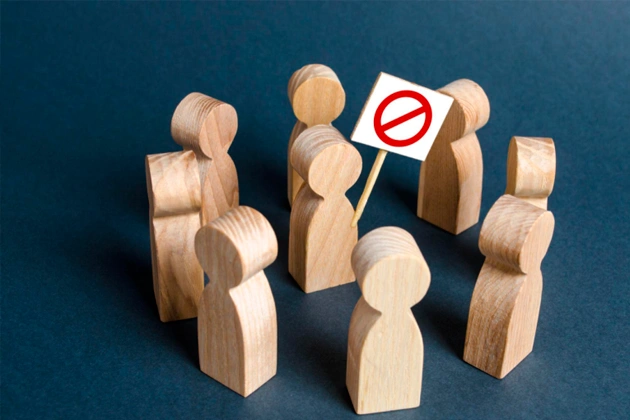
Balancing Safety, Privacy, and Inclusion: What Comes Next
Australia’s impending under-16 social media ban represents a bold experiment at the intersection of cybersecurity, policy, and societal values. For the tech and business community, it raises tough questions about how far we should go to protect children online and who bears that responsibility.
Supporters see it as a watershed moment that will force platforms to innovate safer designs and relieve young teens from the pressures of the online spotlight. Detractors worry it may set a precedent for over-regulation and drive young people into digital back alleys. As the December 2025 implementation draws near, companies are racing to develop age assurance solutions, regulators are finalising which platforms are in scope, and parents and schools are adjusting to a new normal. The true impact on cyber safety, on youth wellbeing, on business, and on the internet landscape will only become clear after the ban is in effect and its ripple effects play out.
One thing is certain: the conversation sparked by Australia’s policy has put a spotlight on the broader issue of children’s cybersecurity and online harm mitigation worldwide. Other nations will study its outcomes closely. If effective, Australia’s model might inspire copycat laws or at least validate the use of strict age-gating as a child-protection tool.
If it struggles, it will underscore the need for international standards and cooperation on safer internet practices (as some regulators have called for). In any case, the push for a safer digital ecosystem for the next generation is accelerating. A master of cyber security online, Cybersecurity professionals, tech companies, educators, and policymakers will need to collaborate in new ways to strike the right balance between safety, privacy, and the enriching aspects of online life for young people. The coming year will be a pivotal chapter in that journey, as Australia leads a bold charge into the uncharted territory of online safety legislation.