A fall in the bathroom, a collision on a football field and a car crash on the way home from work, these are very different situations; but they can all result in a traumatic brain injury. Staying away from dangerous activities, such as rock climbing or bungee jumping, can also lower the chance of suffering a serious head injury. What makes head injuries difficult is that the damage is not always visible, someone can have a small bump and be seriously injured, while another person may have a headache and recover without major problems.
The types of traumatic brain injuries range from concussions to injuries involving bruised brain tissue or bleeding inside the skull. Knowing the difference does not replace a medical examination, but it can help explain why some symptoms should not be brushed off.
There is also a good reason this is worth talking about. CDC data from 2018 found that falls were responsible for 51% of nonfatal TBI-related hospitalizations in the U.S. Motor vehicle crashes accounted for another 23.8%.
Here are three of the injuries that can follow those accidents:
- Concussion
Think about what happens after a hard tackle in football, the player gets up and says they are fine. There is no obvious wound, and they have not passed out. A few minutes later, though, they have a headache and cannot quite remember the play.
That can happen with a concussion. A concussion is considered a mild traumatic brain injury that can come from a direct blow to the head, but the head does not have to hit anything. A sudden jolt can move the brain inside the skull and cause the injury.
The symptoms are not always dramatic; headaches and dizziness are common. Nausea, tiredness, balance problems and trouble concentrating can also occur. Some people notice changes in sleep or become bothered by bright lights and loud sounds.
Memory can be affected too. Someone might remember the accident but have a blank spot around what happened. One thing people often get wrong is assuming that a concussion means losing consciousness, it does not. A person can remain awake from beginning to end.
The CDC lists headaches, dizziness, balance problems, nausea, vision problems, sensitivity to light or noise, memory difficulties, concentration problems, sleep changes and mood changes among possible symptoms.
Concussions can cause a wide range of symptoms, which is why waiting to drive after a concussion is something you should consider.
That advice is fairly practical. If someone is still dizzy, struggling to focus or having vision problems, getting behind the wheel is not a good idea. Driving leaves little room for slow reactions or a lapse in concentration.
Symptoms may also take a while to become noticeable. Feeling normal immediately after the accident does not necessarily settle the question.
- Contusion
A contusion is a bruise on the brain; it can happen when a person’s head takes a strong hit, the impact can damage brain tissue and small blood vessels. The brain may also move inside the skull and strike another area, so the bruising is not always directly beneath the original impact.
A serious vehicle crash is one possible example, so is a hard fall; what happens afterward depends partly on where the contusion occurs. Headache and confusion are possible, some people have difficulty with movement or coordination. More serious injuries can cause seizures or changes in consciousness.
Doctors may use a CT scan to see whether there is bleeding or bruising. From there, treatment depends on what the scan shows and how the person is doing.
Treatment for a contusion may also include surgery to remove the object that caused the injury, that should not be taken to mean that every brain contusion requires surgery, many do not.
The size of the injury, bleeding, swelling and pressure on the brain all matter. It is also possible for the outside of the head to look fairly normal while the brain has suffered significant damage.
- Hematoma
Bleeding inside the skull is a different concern, suppose an older adult falls at home and they are awake afterward and talking normally, nothing about the first few minutes seems particularly alarming. Later, the headache becomes worse and they become confused or unusually sleepy.
- What Happens When Bleeding Builds Up
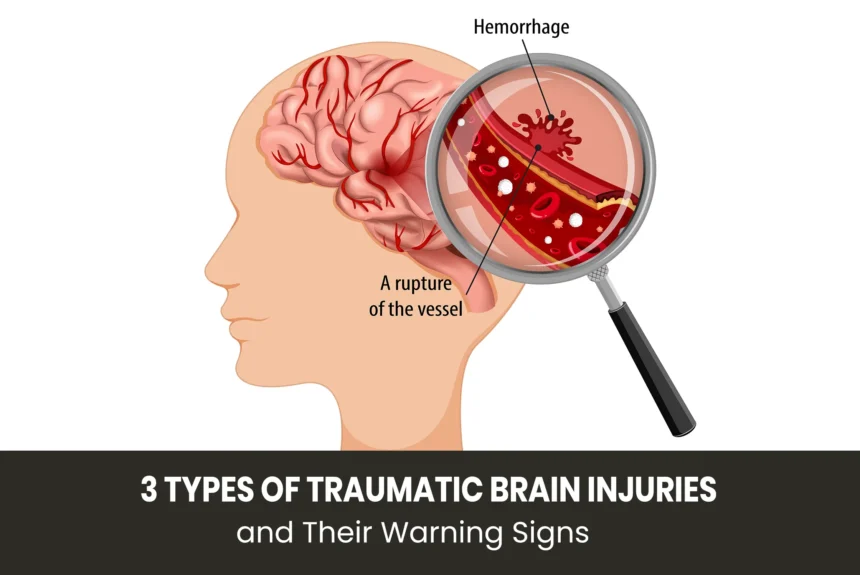
An intracranial hematoma occurs when blood collects inside the skull after a blood vessel has been damaged. Subdural and epidural hematomas are two examples.
The skull cannot simply expand to make room for the extra blood, as pressure builds, the brain can be affected. Warning signs can include a worsening headache, repeated vomiting, confusion, weakness, numbness, difficulty speaking, problems with balance and seizures.
The CDC also lists slurred speech, unusual behaviour and difficulty waking as danger signs following a head injury. This is one reason it can be risky to assume that someone is fine just because they were talking normally right after an accident. Their condition can change, doctors can use brain imaging to look for bleeding, depending on the hematoma, the person may need close observation or urgent treatment.
Why Head Injuries Can Be Hard to Judge
There is no single symptom that tells you exactly what kind of brain injury someone has. A headache can occur after several types of head injuries, the same is true of dizziness and confusion. Doctors have to consider the accident itself, the symptoms and how those symptoms change over time.
- Falls are a particularly important example. In the CDC’s 2018 data, people aged 75 and older had a nonfatal TBI hospitalization rate about three times that of people aged 65 to 74.
- Children present another problem. A young child may not have the words to explain dizziness, blurred vision or confusion. Parents might instead notice unusual crying, irritability, sleep changes or difficulty walking. In that situation, the change in behaviour may tell a parent more than the child’s ability to describe their symptoms.
Signs That Need Immediate Medical Attention
Not every bump on the head requires emergency care. Certain changes, however, should not be ignored. A headache that keeps getting worse is one; so are repeated vomiting, seizures, increasing confusion, weakness or numbness, slurred speech, trouble walking and unusual behaviour.
If someone becomes very difficult to wake or cannot be woken after a head injury, they need emergency medical attention. There may be no dramatic wound to warn you, bleeding or swelling can happen inside the skull while the skin looks almost untouched.
Blood-thinning medication is another detail worth mentioning to a healthcare professional after a significant head injury. It can increase concern about bleeding.
What Recovery Can Look Like After a Brain Injury
There is no standard recovery story. One person with a concussion may feel much better after some time, someone else may continue to deal with headaches, tiredness, sleep problems or difficulty concentrating.
More serious injuries can leave a person needing rehabilitation for problems with speech, movement, memory or other abilities. Moderate and severe TBIs can cause long-term health problems.
A previous head injury can also be relevant, repeated mild TBIs may be followed by a longer recovery in some people. Returning to driving, work, school or sports is therefore not something to decide by comparing yourself with someone else. The right timing depends on the injury and the person’s recovery.
A fall, a sports collision and a car accident can leave very different marks on the brain. Sometimes the result is a concussion that gradually settles. In other cases, bruising or bleeding requires much more serious treatment. Understanding traumatic brain injury types and symptoms can help people recognise when a head injury needs more than a quick check and a decision to carry on as normal.
FAQs
- What are the three types of traumatic brain injuries?
They are concussion, brain contusion, and intracranial hematoma.
- Do you have to pass out to have a concussion?
No. You can stay awake and still have one.
- What happens with a brain contusion?
The brain tissue gets bruised after an impact. Small blood vessels can also bleed.
- What should you watch for after a head injury?
A headache that keeps getting worse, repeated vomiting, confusion, seizures, weakness, or trouble speaking are some of the signs that need attention.
- Can a person get worse hours after a head injury?
Yes. Some problems do not show up straight away.
- Will doctors always do a CT scan?
Not necessarily. It depends on the injury and what the doctor finds during the examination.
- How long does recovery take?
There isn’t one answer. A mild injury may settle relatively quickly, while a serious TBI can take much longer and may require rehabilitation.
About The CEO Views
The CEO Views covers people and companies in the business world. Its stories touch on technology, entrepreneurship, leadership, and changes taking place across different industries. The publication also runs interviews, magazine features, articles, and press releases. Companies and business leaders can use these formats to tell their stories and talk about the work they are doing.